

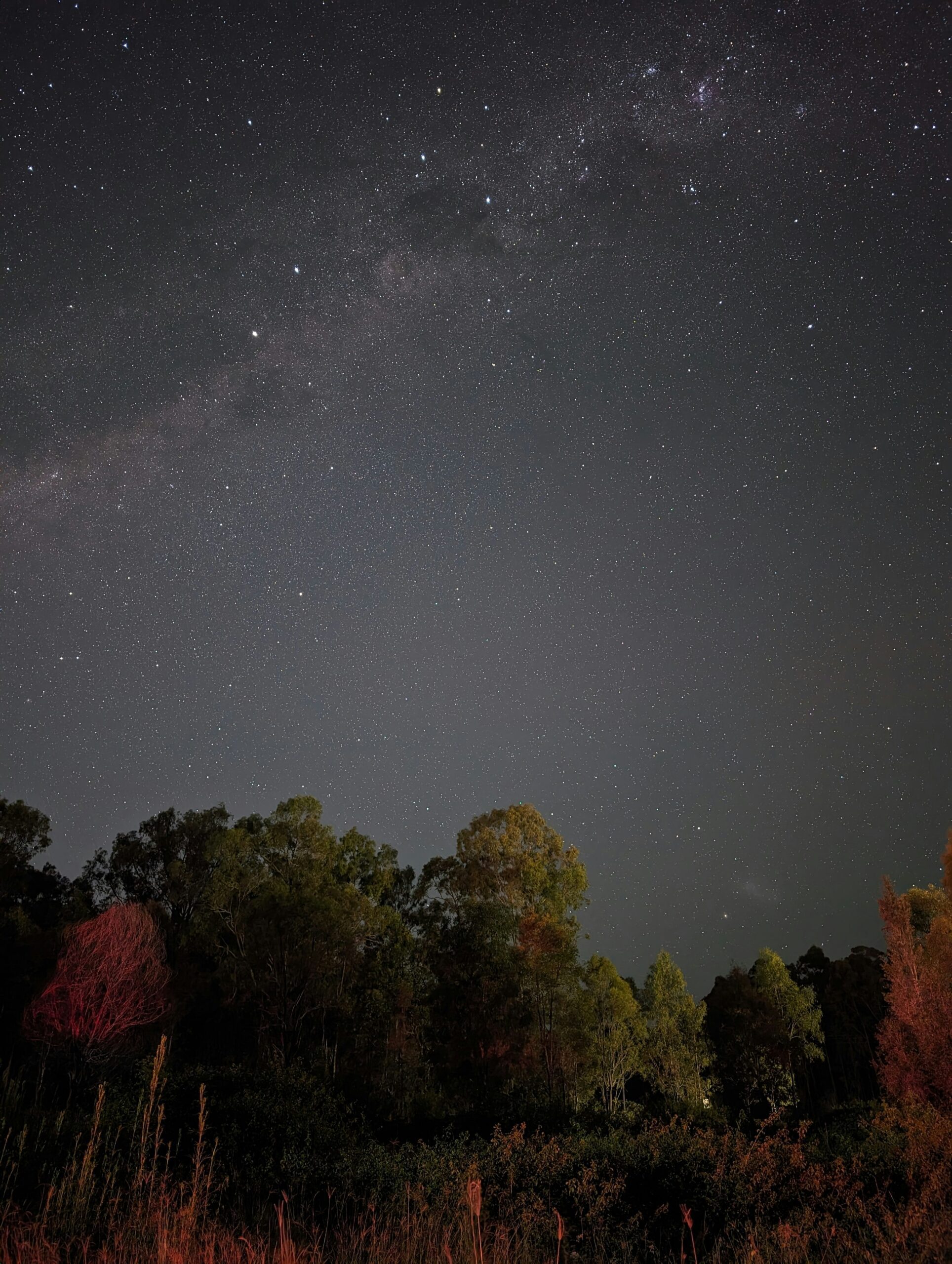
Each October, the universe gifts us a dazzling display of cosmic wonder — and 2025 is no exception. Mark your calendars for October 21–22, when the Orionid Meteor Shower will illuminate the night sky with streaks of celestial fire.
The Orionids are born from the trail of dust and ice left behind by Halley’s Comet, the legendary wanderer that visits our solar neighborhood every 76 years. As Earth passes through its debris field, tiny fragments collide with our atmosphere at incredible speeds, glowing in vibrant shades of orange, green, and blue before fading into starlit silence.
At its peak, you can expect to see up to 20 meteors per hour — a gentle yet awe-inspiring reminder of our connection to the vastness of space.
🌌 Best Viewing Tips
- Look toward Orion: After midnight, find the constellation Orion rising in the southeast sky — that’s where the magic happens.
- Escape the city lights: The darker your surroundings, the brighter the meteors will appear.
- Give your eyes time: Let them adjust to the darkness for at least 15–20 minutes.
- Get cozy: Bring a blanket or reclining chair, and maybe some hot tea. You won’t need a telescope — just your eyes and a sense of wonder.
This meteor shower is more than a visual treat — it’s a moment to pause, breathe, and remember that these glowing trails are fragments of a comet from deep space, entering our world for just a few seconds before returning to the cosmos.
Let yourself be still under the stars. The universe is speaking — all you have to do is look up.
#OrionidMeteorShower #HalleyComet #Stargazing #NightSky #Space #Astronomy #JoyceMol





Leave a Reply
You must be logged in to post a comment.