

There are places that impress you.
And then there are places that change you.
The Lot, in southwest France, belongs firmly in the second category. It doesn’t announce itself with grandeur or excess. Instead, it offers something far rarer in today’s world: time, space, and a deep sense of arrival.
I’ve lived in Puy-l’Évêque for the past four years, and what continues to surprise me is how consistently this region works on people — quietly, gently, but unmistakably. Visitors arrive carrying the weight of busy lives. They leave differently. Slower. Softer. More themselves.
This is not accidental. The Beaux Villages of the Lot were shaped over centuries in conversation with the land. Their beauty is inseparable from their rhythm — and that rhythm is what makes this region such fertile ground for retreats, reflection, and real change.
A Land That Refuses to Be Rushed
The Lot is carved by water and time. Rivers curve lazily through valleys, limestone cliffs catch the light, and villages sit exactly where they belong — not imposed on the landscape, but grown from it.
Unlike more polished regions of France, the Lot has resisted reinvention. Life here remains seasonal and grounded. Markets matter. Meals take time. Silence is normal.
This matters more than we realise.
When people come on retreat, their nervous systems are often overstimulated long before their bodies arrive. The Lot meets them at a human pace. Without instruction, people begin to sleep better, walk more slowly, and listen — to nature, to others, and to themselves.
Puy l’Évêque: Daily Life as a Form of Medicine
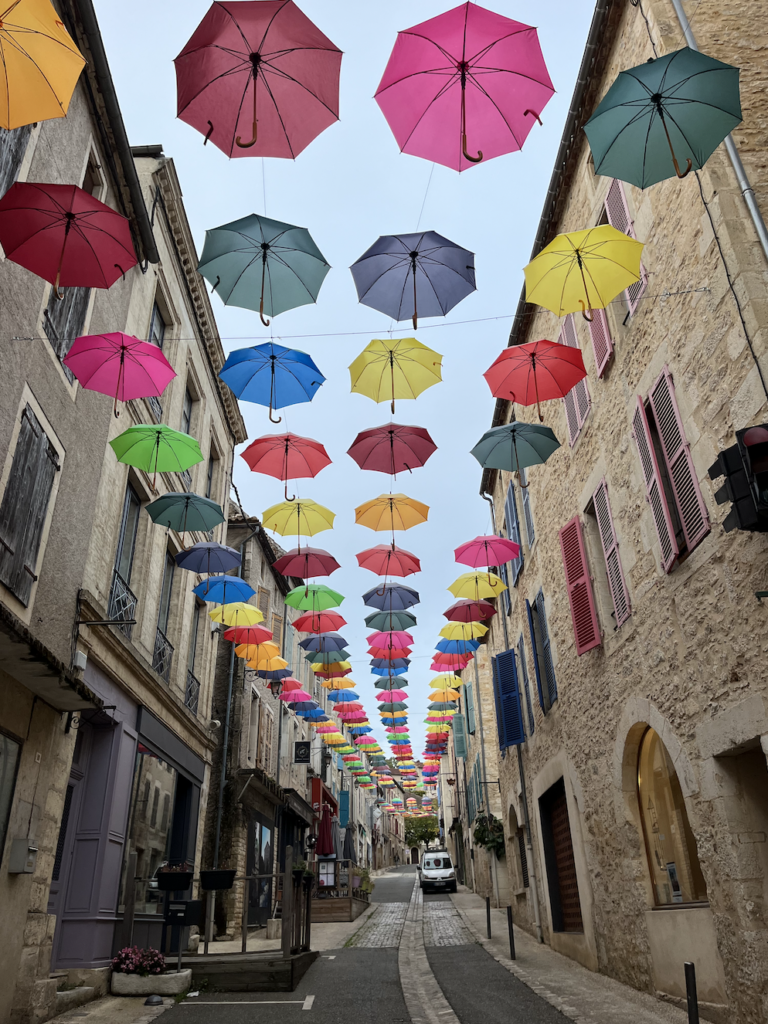
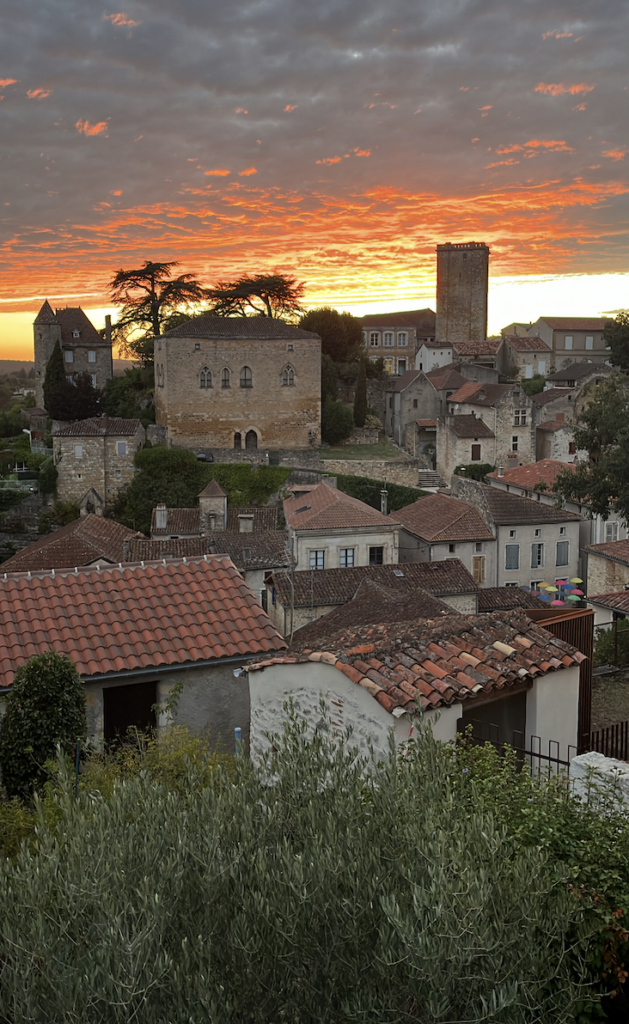
Puy l’Évêque is not a village you “do” in an afternoon. It reveals itself over days, sometimes weeks. The old town rises in soft tiers above the River Lot, its narrow streets inviting wandering rather than destination.
Living here has taught me that beauty doesn’t need to be dramatic to be transformative. Some of the most powerful moments are quiet ones: early morning light on stone walls, the steady movement of the river, a conversation that unfolds without agenda.
For retreat guests, Puy l’Évêque offers something essential — permission. Permission to slow down without explanation. Permission to rest without guilt. And permission to let the days be shaped by how you feel rather than what you must achieve.
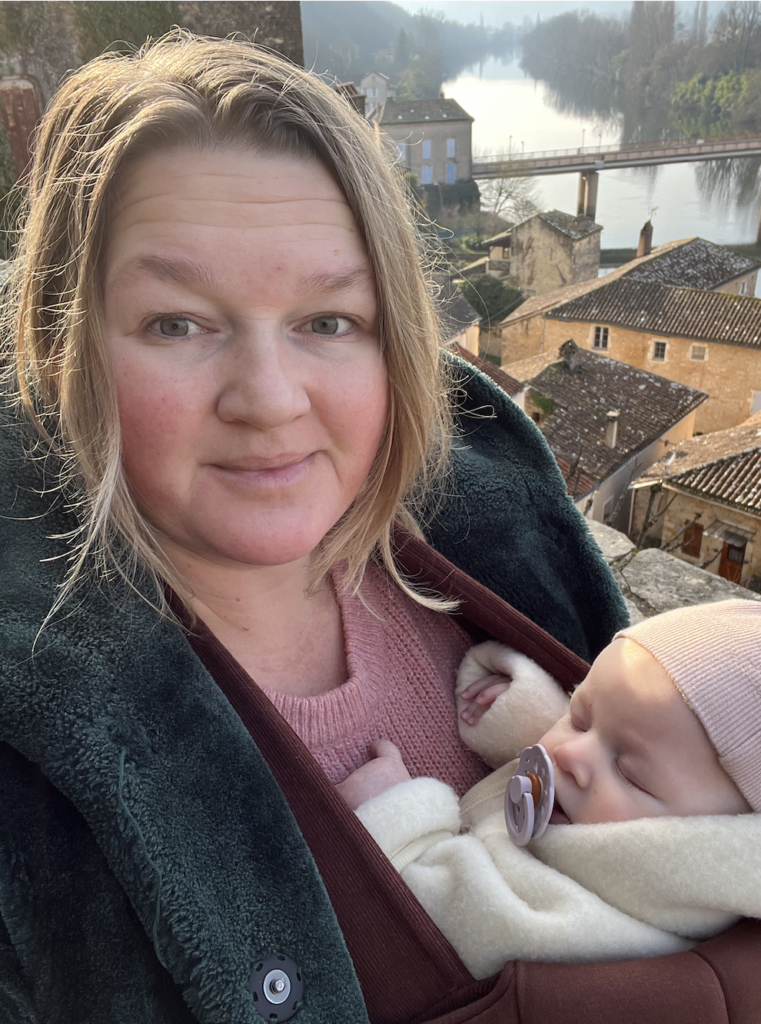
It’s the town that called me in. I told my partner, if we move I only want to move to Puy L’évêque.

Saint-Cirq-Lapopie: Perspective, Elevation, and Inspiration
Few villages affect people as immediately as Saint-Cirq-Lapopie. Perched high above the Lot Valley, it quite literally changes your point of view.
Yes, it is visually stunning — but the deeper experience is internal. Standing above the river, looking out across the land, people often feel something loosen. Problems shrink. Perspective returns.
Artists and writers have long been drawn here, not to produce, but to remember. To reconnect with curiosity, creativity, and the part of themselves that responds to beauty without needing to justify it.
Within a retreat context, Saint-Cirq-Lapopie becomes a place of quiet insight — a reminder that sometimes clarity comes not from effort, but from elevation.


Cahors: Crossing Bridges, Inner and Outer
Cahors carries the steady presence of a place that has always been lived in. Best known for the Pont Valentré — a fortified medieval bridge — Cahors has long been a crossing point for pilgrims, traders, and travellers.
There is something deeply grounding about being here. The city reminds us that life unfolds step by step, crossing by crossing. You don’t rush a bridge. You walk it.
For many retreat guests, time in Cahors brings a sense of integration. Reflection turns into understanding. Insights find their place in the body. The journey begins to feel coherent.

Château de Bonaguil: Strength, Boundaries, and Stillness
Rising from the surrounding forest, Château de Bonaguil offers a different kind of beauty — one rooted in resilience.
This fortress was designed for protection, yet today it stands in profound silence. Walking its walls invites reflection on boundaries: what we protect, what we defend, and what we might finally be ready to release.
Within retreat work, Bonaguil often becomes symbolic — a place to examine inner structures, old patterns, and the strength required not to fight, but to soften.
Why the Beaux Villages Are Ideal for Retreats and Workations
The Lot doesn’t ask people to transform.
It simply creates the conditions where transformation becomes possible.
There is space here — physical, emotional, and psychological. Space to feel without interruption. The space to reflect without pressure. And space to remember what matters.
This is why retreats and workations held in this region feel different. They are not escapes from life, but gentle returns to it. Learn more about the Feminine Awakening Retreat here or contact me for a Workation for your company.
An Invitation
If you are drawn to places that feel lived rather than curated…
You long for depth, quiet, and meaning…
You sense that your next step requires stillness rather than striving…
Then the Beau Villages of the Lot may already be calling.
And perhaps your journey will lead you, as mine did, to Puy l’Évêque — where time slows, the land supports you, and something essential quietly begins to unfold.



Leave a Reply
You must be logged in to post a comment.